Tag Archives: biography

Jan, the Feminist

In this post, Jan discusses how she developed as a feminist, her desire to share her point of view with her students, and her unique position as an unmarried American woman in Japan.

===

Malina Suity: [1:00:42]: When you were working as a teacher at Miyagi, what were your–did you have any particular duties other than just teaching classes? What were your classes like?

Janell Landis: Um, well. The classes were, as I said, were sometimes with junior high school girls. And that was about fifty kids in one room and reviewing the English studies that they had with their Japanese teachers. They had me twice a week and the other teachers every day. And so it was back up for the Japanese teachers, and then that was true in senior high too. In college, I was given an opportunity with the juniors and seniors to have these elective courses. And then I attempted to really concentrate on some of the issues that women would face. And that’s when my feminist years developed. And I saw some of the girls develop too. And one of them ended up being, working on the wonderful program north of Tokyo that was involved with educating workers from other Asian countries and for commuting to work and so on. [1:02:09]

***

Malina [1:09:50] You mentioned your development as a feminist and working with women’s issues. Can you describe your experience as a woman in postwar Japan?

Janell: Yes. Uh, it was, my own conversion was when I was going with a group of people from New Jersey to what they called the God Box. To a Riverside area where the national church of these mainline denominations was located. And I went into a drug store while we were waiting for the car and I bought the first magazine of Ms. and that changed my life. And I didn’t see…what was your question again?

Malina: Um

Janell: I’m ready to get off of it.

Malina: It’s uh, being a woman in Japan.

Janell [1:10:58]: Oh, a woman in Japan. Well, because of that conversion in the States when I went back. I had the privilege in some of these elective classes to show what women were doing in other countries or so on. So, I myself branched out. But I had a reaction of one of my female Japanese teachers, she thought I was degrading the men. And uh, like I was anti-man. And that really hurt me in a way. I didn’t ever feel like I would, that I would, ever degrade my fellow men that were working on the faculty. I was cautioned then, to be careful not to be too demanding.

But um, like I said, being a single woman. I was my own self and I think I got a little bit different treatment than a wife would. And she would have opportunities that I didn’t have. But I never begrudged the difference. Each of us is given a walk and we have to walk our walk, own walk. We can’t imitate somebody else’s trot, but uh. I never felt…well let’s see I can’t say never. There were times when being a woman in postwar Japan might have been more difficult. But, being an American woman, being a single woman. [laughs] I had some freedoms that my Japanese women didn’t have. I was always–In the first years when things weren’t as progressive, I never got invited to the weddings. But after how many years there, it was like, if they had the American teacher there that was a real special thing. I got took to so many weddings and their parties. But, it was rarely that we were in the weddings. Many of them were held in a Shinto temple, but we were having the wedding parties in these big hotels or these big wedding parlors. And they’d spend a fortune and give everyone a present and so on. But I, in the latter years, I was one of the people they called. [1:14:02]

For more information on Ms. Magazine and the impact it had on women like Jan, read this oral history from New York Magazine.

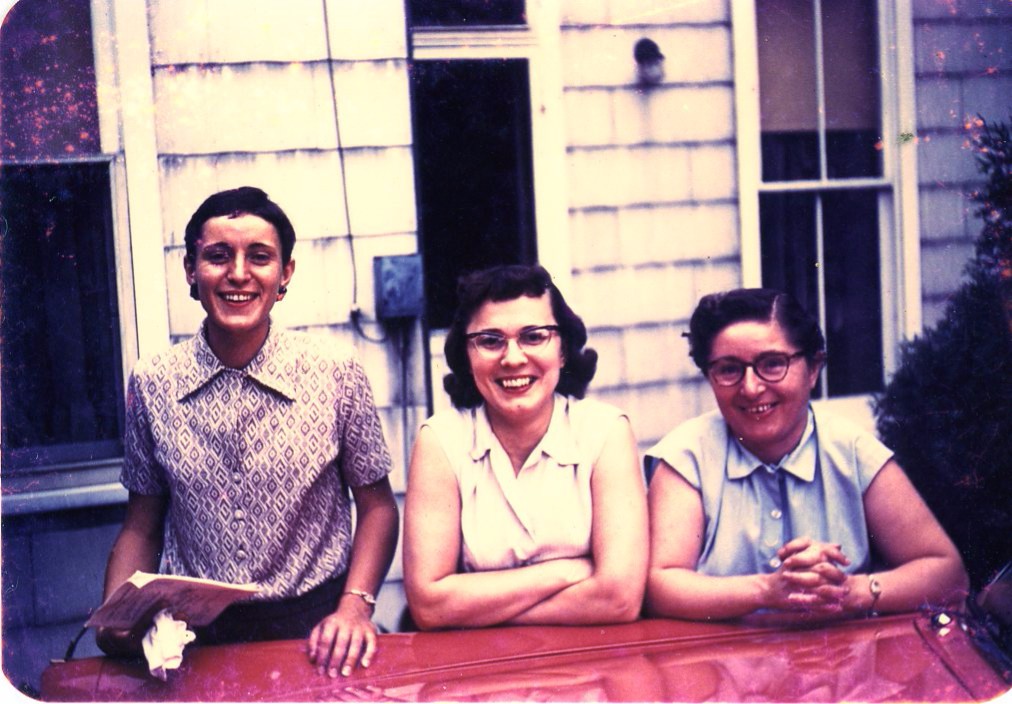
Photograph of Janell and English Department staff at Miyagi Gakuin via Janell Landis.
 

フェミニスト、ジャネル・ランディス

ジャネルがフェミニストとして成長する過程や、生徒たちにジャネル自身の意見を共有したいという強い思い、そして日本に住む未婚のアメリカ人女性という立場について語っている。

===

マリナ・スーティ:宮城で教師として働いていたとき、あなたは―、ただ授業を持つ以外に特別な仕事はありましたか?授業はどんな感じでしたか?

ジャネル・ランディス:そうねぇ。授業は、まぁさっき言ったけれど、時には女子中学生に教えることもあったの。15人くらいの子たちが一つの部屋に集まって、日本人の先生がやっていたような英語の勉強をしていたの。私は週2回教えていて、他の先生は毎日。だから私は日本人教師の補助みたいなものだったし、高校の授業でも同じだった。大学では、1、2年生の選択科目を教える機会が与えられたの。だから女性が向き合わなければならない問題について専念して教えようと考えたわ。私がフェミニストとして開花した時期だった。学生の中にも何人かフェミニストとして成長した子がいて。中でも1人、東京でアジアの国から出稼ぎに来ている労働者への教育を支援するような素晴らしい活動をするようになった子がいたわ。

***

マリナ:先ほどフェミニストとして成長したことや女性が向き合う問題について触れましたね。戦後の日本においてご自身が女性として経験したことを教えてもらえますか?

ジャネル:いいわよ。そう、あれは、ニュージャージー州から来た人たちとニューヨークのゴッド・ボックス※を何て呼ぶかってことについて話していたときだったわ。主だった宗派の教会があるリバーサイド地域へ向かったときね。 車を待っている間に私は薬屋さんに寄って、初出版の『Ms.』という雑誌を買ったのだけど、それが私の人生を変えたの。当時は分からなかったけど…質問はなんだったかしら?

マリナ:あのう…

ジャネル:話戻しましょうね。

マリナ:えっと、女性として日本で生活することについて。

ジャネル:あぁ、日本で暮らす女性。そうね。アメリカに戻ったときにした会話があったからだったわね。選択科目のいくつかで、他の国では女性がどんなことをしているのかとか色々と教える機会に恵まれたの。それで、私自身の考えも広がったわ。でも、ある日本人の女性教師から、私が男性を卑下しているって反発があったの。私が、まぁ、反男性主義者みたいな。本当に傷ついたわ。そんなこと考えたこともなかったのよ、私が、そんな、一緒に頑張って働いている男性たちを見下すようなことをしようだなんて。その時に、あまり、きついフェミニストにならないように気を付けないと、って思った。

でもそうね、さっき言ったけど、独身女性として。私は私自身でいることができたし、誰かの奥さんっていうのとはちょっと違った扱いをされたわね。きっと誰かの奥さんだったら独身の私が得られなかった経験があったんでしょうね。でもその違いを嫉ましく思ったことはなかった。人はそれぞれの道が用意されてて、自分自身の道を歩まないといけないんだもの。他の人の道を真似して歩んだりできないんだから。でも、まぁ。私は絶対に…まぁ、絶対になんて言えないのよね。戦後の日本で女性として生きることは時に困難なことだったかもしれないわ。でも、アメリカ人女性として、独身女性として。私は日本人の女友達よりも自由だったわね。私はいつも– まだ世の中が積極的に進歩しているとは言えなかった最初の数年間、誰も私を結婚式に招待しなかった。でも歳月が過ぎれば、アメリカ人の先生がいることがすごく特別なことみたいな扱いになった。結婚式やらパーティーにたくさん呼ばれるようになった。でも、結婚式自体に行くことは滅多になかった。ほとんどが神道の寺社で執り行われたけど、結婚式のパーティーは大きなホテルとか式場でやってたから。大枚をはたいて披露宴をして、みんなにプレゼントを配ったりしてた。でも私は、何年経っても、呼ばれる側の人間だった。

※ゴッド・ボックス: ニューヨーク州、マンハッタンのリバーサイド通りにある19階建てのオフィスビルで、アメリカにある主だった教会や宗教関連の非営利団体がオフィスを置いているため通称ゴッド・ボックスと呼ばれている

===

ジャネルのようなアメリカの女性たちに大きな影響を与えたMs.誌の誕生についてはこちらのNew York Magazineに載るオーラルヒストリーの特集をご覧ください。

以上の写真はジャネル・ランディス(右)と宮城学院女子大学英文学部の事務員です。

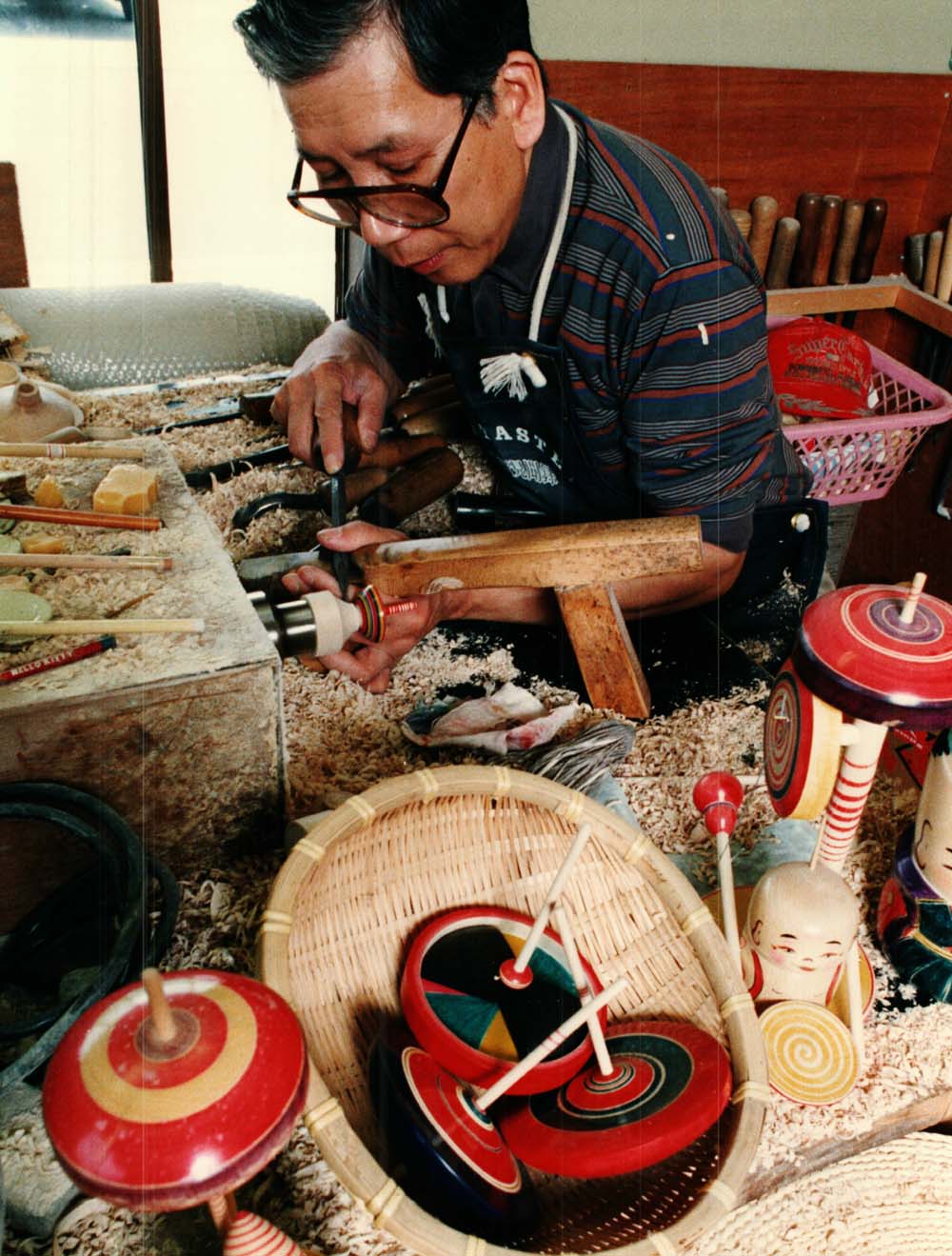
Hiroi’s early experiences as a woodworker

In this interview segment, Hiroi-sensei describes his early experiences as a woodworker in Sendai selling kokeshi dolls before he settled on reviving his family’s tradition of making Edo-style tops. He discusses the difficulties his family had selling their goods, despite being discovered as the last surviving family in Japan that made Edo-style tops.

This clip has been slightly edited from the original interview for clarity. A transcript of this clip can be found below. And a full transcript of our interview with Hiroi can be found here [forthcoming].

===========================================

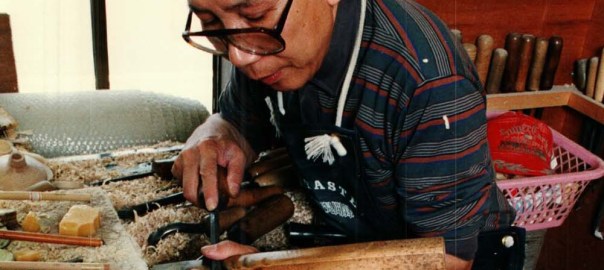
Young Hiroi-sensei.
Young Hiroi-sensei.

Hiroi Michiaki: Hmmm. Since I first came to Sendai… mmm… there were many [moments that stay in my mind], my father worked in many woodworkers’ shops, and was an artisan. And from that he became independent, and rented a house himself and of course put a lathe in it, and worked wholesaling and subcontracting kokeshi. And, ahh around this time kokeshi, souvenir kokeshi that is, they’re different from the traditional style of kokeshi [you see] now. He was able to sell a lot of those. There was a wholesale shop, and there he subcontracted unpainted objects called shirakiji (blank wood), and worked doing that. And doing that, he said that if he was to make kokeshi he might as well do traditional kokeshi, and he became a person named Wagatsuma-san’s apprentice, and came to [make kokeshi] from the Toogatta kokeshi tradition. And then they were able to sell traditional kokeshi, and it became a kokeshi boom, and they became able to sell them. He took his lathe to Tokyo and [sold them] at performances and department stores. At first he did kokeshi, but kokeshi take a lot of time, so he did tops [instead].

Paula Curtis:   Yes.

Hiroi:   Then, in Tokyo, they said that along with Italy they were going to gather kokeshi. “Native toys” (kyōdō gangu) were [being gathered] here and there in Japan—if it’s Aizu, for example, they have the Akabeko (red cow). People came [here] that were collecting those kinds of native toys and kokeshi. Mmm I was doing tops, but at that time, since I was in Sendai I wasn’t doing Edo tops, but those called Sendai tops or Miyagi tops. Because they were [being sold] at goods shops in Sendai and Miyagi prefecture. And when I did that in Sendai [I made] Sendai tops, and when I was in Miyagi prefecture I did Miyagi ones, tops called Miyagi tops. And they were popular, since they were spinning right in front of you. The people who came to gather the native toys said something like “Where are you really from?” and I said “Actually I’m from Tokyo.” And they were like “Ahh of course!” They said, of course, we thought that in Tokyo, too, long ago there were lots of toys called “Edo tops (edogoma)” but no matter how much we looked, we couldn’t find them. When they said “Have you made them?” I said something like “My family has traditionally done them.” He said, “Ahh! I found them!!” and there was a clamor about it in Tokyo, saying they finally found Edo tops. And my younger brother went to Tokyo. My brother got married in Tokyo and has done Edo tops there ever since. When he has a chance he makes Edo tops here in Sendai. Well, in Sendai, too, to a certain extent we made Edo tops, but people here didn’t understand about them, so even if we sold them they didn’t sell well.

Paula:   Did your family expect you to continue business as a top-maker?

Hiroi:    Mm, that was the only thing to do. Somehow I sold the tops. Like in the past, I thought I might not be able to eat, and in Sendai, just like back then, I wasn’t understood, and I couldn’t sell anything. And I went to Tokyo and it was a situation like I just described, and so I was able to sell my tops there. Though, at that time, rather than Edo tops I actually was working hardest at making the traditional kokeshi.

Paula:    When did you become an independent Edo top maker?

Hiroi:   Hmm… when was it? I don’t remember exactly. Mm… I didn’t really become aware of [when I started working independently, because] I was helping my father. And at some point I started using the lathe. So I don’t exactly what year, what month, what day–it wasn’t like that.

Paula:    About how many years were you an apprentice?

Hiroi:   Mmm, I don’t really know that either… It happens before you know it. At some point I was helping my father and working with my brother, and the three of us came to work together. What year, month, day–it wasn’t set. So I don’t really know how long [I was an apprentice].

Paula:    This is a bit similar to the previous question, but when did you first come to Sendai?

Hiroi:   When I first came to Sendai… Shōwa–What year was it? Twenty-three. It must have been Shōwa 23 [1948].

Paula:    What was your life like there?

Hiroi:    Mmm that time… we rented a room in someone’s house. Rented [just] a room. So how would [you say] we lived, I wonder? Somehow it’s weird to think of it as [properly] living there, but my father was working hard. And… at any rate we went back and forth all over within Sendai. We hadn’t been there long, so [we went] here and there. So even within Sendai we lived in a number of places… One, two, three, four, five, six, seven. We moved seven times.

Paula:   That was before you were married?

Hiroi:    Before.

Paula:    And after you were married…?

Hiroi:   After I was married… umm… After I was married… Ahh. It was once or twice [that we moved]. To here. Umm… in Higashiguchi, Higashi… We got married at the town Higashi shichiban, and moved to Fukurobara, and here. It was twice [until] we were here.

Paula:    In Sendai, well, what sort of memories do you have of the various places [you lived]? Are there any that stand out?

Hiroi:    Mmm I have unpleasant memories, you know. (laughs) There were two places. Really terrible ones, two places where I was bullied, awful places I experienced. But after that, they were all enjoyable. Especially after I was independent. Umm… I had many friends, and it was nice that there were many people my age. It was really fun. In one place, for some reason in one place almost all of the kokeshi makers in Sendai gathered together, and I lived independently and felt like it was a neighborhood community, and there were lots of people doing the same work so it was nice. Even now looking back on it, it was a really a great time [in my life]. And that [time], the son of the sensei who taught kokeshi-making back then, he’s alive now, and even now he’s always saying “That was the best time, wasn’t it?” It was really great.


若い木工職人だった頃の廣井先生

廣井家の伝統的な江戸独楽づくりを復活させるに至る前に、木工職人として仙台でこけしをつくり売っていた廣井先生の経験についてインタビューの中で触れている。日本で江戸独楽を受け継ぎ、つくることのできる唯一の家系であるにも関わらず、つくった工芸品を売ることが難しかった当時の状況についても語っている。

テーマを明確にするためオリジナルのインタビューを少し編集したクリップとなります。このクリップを文字に起こしたファイルはこのページの下にあります。廣井のインタビュー全文はこちらにあります [ 準備中  ]。

===========================================

Young Hiroi-sensei.
若い廣井先生。

廣井道顕: うんとね。はじめは仙台に来てからー・・・あのう・・・いろんな、あの、木地屋さんの所で親父が働いていて、職人やってて。であのう、そのうちにね、この独立って、自分で、あのう、うち借りて、でやっぱ轆轤をつけて、で問屋に行って、こけしの下請け、をやってたんですよ。で、あーその頃もこけしを、お土産のこけしね、今の伝統のこけしと違うやつ。それがいっぱい売れて。で問屋があって、そこで、その「しらきじ」っていう絵の描かない、しらきじを請け負って仕事をやってたんですけども。そのうちにあのう、同じこけしやるんならば伝統こけしをやったほうがいいって言われて、そこにいる我妻さんっていう人の弟子にしてもらって、遠刈田系の伝統こけしっていうのをやるようになったんですよ。であのう、伝統こけしが今度う売れ、いっぱいブームになって、売れるようになって、であのう、東京へ、轆轤持って実演に、デパートに行って。で最初こけしをしてたんですけど、こけしだと時間がかかるから、あのう、独楽を、やったのね。

[00:18:40]

ポーラ・カーティス: はい。

廣井: そしたら、東京であのう、こけし集めるってイタリアと。郷土玩具っていうのが日本にあちこちにあのう会津だったらあの赤べこってありますよね。あぁいう郷土玩具をや、こけしを集めてる人たちが来て。えぇぇ独楽やってるけど、あの時はね、あのう、江戸独楽でなくて仙台だからっていうことで、仙台、ま、仙台独楽とか宮城の独楽とかって名前で。というのはあの、仙台市の物産店とか、宮城県の物産店で行ってたんもんですから。で仙台で行った時は仙台の独楽、宮城県で行った時は宮城、宮城の独楽っていうことで、やって。で人気があって、目の前ですぐできて回りますからね。で、それ見てた人が郷土玩具を集める人が、『お前、生まれ本当はどこだ』なんて言われて「いや東京です」と。「やっぱりな」っていうことになって。ほんであの、東京にも確か昔、江戸独楽って独楽の玩具がいっぱいあったはずなんだけど、いくら探しても、見つからない。って居たんだけど。「お前んとこでやってたことあるか」って言うから、「うちは代々、やってた」っつったっけ。「あぁ!見つけたー!」っていうことになって、そしてあのう東京で大騒ぎになって、江戸独楽見つかったっていうことで。であのー弟が東京へ行くことになって。で弟は東京で結婚して、でずうっとあのう、江戸独楽づくり。それがキッカケでこっちもこっちで仙台で、江戸独楽づくり。まぁ仙台でも江戸独楽、ある程度作ったんですけど、こっちの人にや分らないから、売っても売れなかったんですよね。

[00:20:40]

ポーラ: で、ご家族は先生が江戸独楽の職業を継いで続けることを思っていらっしゃったのですか。

廣井: うん、それしかなかったからね。えぇ・・・。だその、なんとか売って、昔通りに、食えないかなぁと思っていたんだけど、仙台では全然その通りで、あのう理解されなくて、売れなくて、で東京行って今言ったような状態で、それから売れるようになったんですけども。でその時あのう、江戸独楽よりもむしろそのこけし、伝統こけしの方一生懸命やってたんですけどね。

ポーラ 独立の江戸独楽の職人になった時はいつでしたか。

廣井: えぇぇ・・・いつだった。はっきり覚えってないよね。うん・・・。いつの間にかだからね、親手伝ってて。でいつの間にか轆轤のるようになってて。だからはっきりいつ何月何日何年のっていう、そいつはないんだね。

[21:45]

ポーラ: 弟子としての、ま、それは何年間ぐらいだったと思いますか。

廣井: んーそれも分んないなぁ。いつの間にかだからね。いつの間にか親手伝って親と一緒に、ま弟も一緒に、三人して仕事しているようになったかな。それが何月何日何年のなにって・・・決まりないからね。だからちょっと分らないよね、それはね。言われても。

ポーラ: これはあのう前の質問とあのう、少し同じところありますが、はじめて仙台にいらっしゃったのはいつでしたか。

廣井: 初めて仙台に来たのはね。ええと。昭和・・・何年だ。二十三年・・・。昭和二十三年だな、確かな。

ポーラ: で、どのような生活されましたか。

廣井: んーその時は・・・人の家に間借りっていうのしてたの。部屋、借りて。だからどういう風に暮らしたのかなぁ・・・。となんとなく暮らしてたって言うと変だけれども、親父が一生懸命なんか、仕事をやってたんですね。んで・・・とにかく転々と歩いたから仙台市内をね。長くいなかったから、あっちこっち。だから仙台だけでも、何か所くらい行ったんだろう・・・一か所、二か所、三、四、五、六、七。七回場所変え。

ポーラ: それは結婚する前でしたか。

廣井: 前。

ポーラ: 結婚してから・・・

廣井: 結婚してからは・・・ええと・・・結婚してからは・・・。あぁ、一回、二回だね。ここよ。ええと・・・東口んとこに、東えー東七番町で結婚して、袋原に移って、それからここだから、二度目ですねここ。

ポーラ: あの、仙台の、ま、色々なお住まいについてどのような思い出がありますか。特に目立つのはありますか。

廣井: うんと嫌な思いしたのはね。(laughs) 二箇所あるね。ものすごく嫌な、いじめられて、とんでもない目にあった場所が、二箇所あるね。後はみんな楽しかったですね。で特に独立してからは。あのう・・・仲間がいっぱいいたし、同じ年代の人たちが、いっぱいいてね。ほんと楽しかったの。一箇所なぜか一箇所、仙台中のこけし屋さんのほとんどが集まっている場所に、あのう独立して住んでいて、で隣近所って感じで、同業者の人がいっぱいいて。あーその時は今でも楽しいですね、思い出すと。でそこの、だからその、こけし教わった先生の息子さん、今、いるんですけど、この間も「あの頃が一番楽しかったなぁ」なんて、つくづく言ってたから。楽しかったですね。

The Hiroi Family during WWII

Originally from Tokyo, Hiroi’s family suffered great loss as a result of the air raids that destroyed the city and killed hundreds of thousands of people during World War II. Listen as he describes how his family fled Tokyo to start a new life in Tōhoku, his first impressions of American soldiers, and his feelings about the war.

This clip has been slightly edited from the original interview for clarity. A transcript of this clip can be found below. And a full transcript of our interview with Hiroi can be found here[forthcoming].

===========================================

Paula Curtis:  If it’s alright, I’d like to talk a little bit about the war time, but, about that time, what kind of memories do you have?

Hiroi Michiaki:   What…

PC:         The war time.

Hiroi:   What time?

PC:         The war time. War.

HM:       Ahh when we were at war. The war time. Of course I didn’t do any of that. War. I was absolutely against it. Mm. But even so, everyone was killed. Not one of my classmates is alive. Everyone was killed in the air raids. And the people of my neighborhood, too, all of them, there’s no one left.

PC:   And your family, at that time…?

HM:         My younger brother and mother, even now their whereabouts are unknown, but I think they died. When a notice came, it was said you [could] confirm [a death], you know. But I can’t confirm theirs. In the air raids, everyone had burned to death, and it was impossible to tell what was what, whom was whom…. And since it was said that since their death couldn’t be actually confirmed, we couldn’t get a notice. It was said they were missing (lit. “whereabouts unknown”)… And even now their whereabouts are, well, unknown.

[00:08:53]

PC:         Where was your home at that time?

HM:       Mmm, properly speaking, in Tokyo, Kōtō ward, Ooshima. It was a place called Ooshima, but it was “Ooshima-machi 3-chōme, #400.” That was our permanent residence.

PC:         And what kind of life did you have?

HM:       The same. The same as now.

PC:         Which is to say…?

HM:       Mm. My father, well, he made many things.

PC:         Then, at that time [he made] Edo-style tops, um—

HM:       Yeah. During the war, things that “unnecessary”, so-called “luxuries,” were forbidden. And, hmm, we received this sheet, like a label. If you didn’t post that, you couldn’t sell [anything]. And they were allotted, how many [you received] per month. So you couldn’t [sell] anything more than that, and furthermore, as if that weren’t bad enough, we were required to make–what do you call them?– military supplies, for use during the war.

[00:10:13]

PC:         Ohh…  Did you or your family contribute in some way to the war?

HM:       Not really effort, but everyone, mm, at that time we couldn’t say anything. If we did, the military police would come and we’d be arrested, and if we did something bad it was terrible. And everyone, well, it was that way for all Japanese people. Everyone would say “We’ll win! We’ll win!” and be happy. But there were a number of people who said that there was no way that Japan could win, and they’d be arrested. So no one could say anything, and in their hearts absolutely hated war. And family, workers, everyone who felt that way withered away, and most died, and there was no compensation. In my home, too, even though everything–my parents and siblings, our property–was lost in the raids, there was no compensation. Not a single word of apology. I want the emperor to apologize, you know. And, at Yasukuni Shrine, you know, why does the Japanese Prime Minister visit it? It’s strange, but nothing can be done. I feel a great sense of discomfort about that. More than the people of Korea and China, I get angry [about that].

PC:         And just after the war, what were your neighbors’ impression towards America and Americans where you lived?

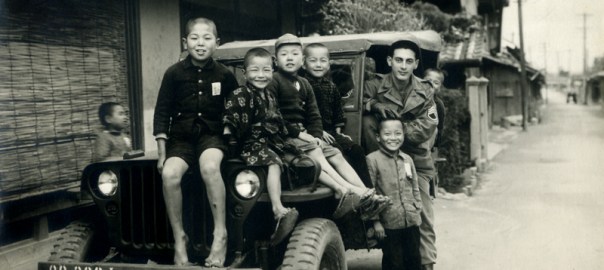
HM:       Mmm. At first… it was the first time I’d seen them, so. Hahaha. Americans… Umm… We didn’t know that Japan had lost the war. That is, our home  [in Tokyo] was burned down in the air raids, so we came here, deep into Shiroishi mountain, mmm there’s a place called Kamasaki hot springs, [famous for] Yajirō kokeshi, there’s a place called Kokeshi village, but, on the other side of that mountain, there was a small cabin, a small mountain cabin, and we lived there. It was a place without electricity or water. Umm… We were there not knowing at all that the war was lost. And when my father went to the town of Shiroishi, somehow the atmosphere of the town had changed, and when he asked, they said Japan had lost. And there, he said that we couldn’t pass the winter in that mountain cabin, and so we came down and moved to the town of Shiroishi, but that time was the first time I saw American soldiers, and man, their Jeeps…! They rode them in and I was like “Ooooh!” and was so surprised. Hahaha. “What is this?” I wondered.

[00:13:36]

PC:         The attitude [towards them], what kind of attitude was it? For example, towards the Americans driving the Jeep.

HM:       Ahh… rather than what kind [of attitude]… We were surprised. We were shocked. And when I thought, “These were the people we fought with?” I also thought, “We couldn’t have beaten them, could we?” [laughs] I wondered why we did something so senseless. Rather, I was angry at the top people [in Japan]. Even though they were the elite, even though they should have understood us, why did they do something so absurd, so unreasonable, and kill Japanese people? Well… my home had done that and become the sacrifice, and no one, not the government, not the people connected to that government, no one said  a word in apology; they didn’t compensate us for anything. Rather [than the Americans], I was mad at them.

PC:         And your impression was what?

HM:       To the Americans?

PC:         Yes.

HM:       Ahh, I thought they were incredible. Really, umm… these people who were until yesterday enemies, I [didn’t think] they would be such kind people. And I couldn’t understand why we had gone to war. And um, at that time, in Shiroishi, along the national highway, we had rented the home of a farming family, and there we had set up a lathe, and the American soldiers had pipes, those sailor pipes, and smoked tobacco. We were asked to do those repairs, and my father often fixed them.

[00:15:35]

PC:         And after the war, um, how did your life change?

HM:       It entirely changed, and it was a terrible time. As I said just now, you know, there was no compensation, and we were, should I say, without means; we had no money, and even though we came here it didn’t mean we knew anyone, and we didn’t know the dialect here either. And there were many [troubles], and there were a lot of issues with the local people and we hadn’t made friends with them, but now I get along with them and they’re very kind. And I was really helped by them. In any case, there were terrible hardships [at the time]. There was nothing to eat, nothing to wear, the winter was cold. Often I thought I was going to die. Heh heh…

Postcard photograph of a soldier with Japanese children published Kinouya postcard archive, retrieved from Kinouya Postcard Collection.


第二次世界大戦中の廣井家

もともと東京にいた廣井家は、第二次世界大戦中に何十万人もの死者を出し都市を壊滅させた空襲によって多大な損失をこうむった。廣井家がどのように東京から逃れ東北で新しい生活を始めたのか、廣井先生が初めてアメリカ兵を見たときの第一印象、そして戦争に対する廣井先生の思いなどに耳を傾けてほしい。

テーマを明確にするためオリジナルのインタビューを少し編集したクリップとなります。このクリップを文字に起こしたファイルはこのページの下にあります。廣井のインタビュー全文はこちらにあります [ 準備中  ]。

===========================================

[00:07:28]

ポーラ・カーティス:     よろしければ、あのう少し戦時についてお話したいと思いますが、あのう、その時についてどのような思い出がありますでしょうか。

廣井道顕:      何・・・

ポーラ:              戦時の時。

廣井:    何の時?

ポーラ:    戦時の時。戦争。

廣井:    あぁ。戦争中。戦争の時ね。あんなことするもんじゃないやね。戦争はね。絶対反対だよね。うん。だって、みんな殺されたんだもん。同級生一人もいないんですよ。みんな死んじゃったの空襲で。で隣近所の人も全部、誰もいない。

ポーラ:              で、ご家族はその時・・・

廣井:    弟と母親が、未だに行方知れず。死んでると思うんですけど。あのう、届けに行ったら、確認したかったって言われたのね。確認できないんですよね。もう空襲でみんな焼けて、どれがどれだか、誰なんだか・・・。で確認はできないって言ったら死亡届けはダメだ、行方不明だって言われて・・・で今でも行方不明のまま。

ポーラ:              お住まいはどちらでしたか、その時。

廣井:    うんとね、正式に言うと、東京都、江東区、大島町。大島っていう所なんですけど、大島町三丁目、の四百十番地、これが本籍地です。

ポーラ:   で、どのような生活をされていましたか。

廣井:    同じ、今と同じ。

ポーラ:    と言えば・・・

廣井:   うん、親父がこう、まぁ、色々な物を作って。

ポーラ:   じゃ、その時は江戸独楽の、あのう―、

廣井:   うん。戦争中でしたから、そんなに余計は、あのう、贅沢だっていうことで、あのう売ることを禁じられてて。で、あの、なんかね、こういう、ラベルみたいなシートみたいなものをもらうんですよ。それを張ったんじゃないと、売れなかった。で割り当てられて、月に何枚って。だから、それ以上のものできない状態で、あとはあのう、軍需品っていうか、戦争で使う道具の一部分を作らされてた。

ポーラ:              へ・・・ 先生かご家族はなにか戦争に対して努力しましたか。

廣井:   努力どころかみんな、もう、そのころは何も言えなったしね。言うと、すぐにあの憲兵が来て捕まえに来られるし、悪い癖なんかやったら大変だったんだよ。でみんな、まぁ日本人全部そうだったんですけど。みんな「勝つんだ・勝つんだ」って言われて喜んで、いたんですけど。であのう一部の人は絶対日本なんか勝つは 勝てる訳がないなんていう人結構いて、そうするとみんな捕まっちゃうんですよね。だから皆何も言えなくて、心の中ではもう絶対戦争なんか嫌なのね。だって家族、働き手 みんなと、も、持ってかれちゃって、ほんで亡くなって、何の補償もないし。うち辺りも親兄弟、家財産、空襲でみんななくなっても、何の補償もない。一言の謝罪もない。天皇陛下に謝ってもらいたいのね。で、あの、靖国神社で、あのほら、日本の総理大臣がなぜお参りに行くか。ほんと不思議でしょうがない。すごい違和感を感じますね。あのう、韓国とか中国の人たちが怒る、以上に、腹が立つのね。

[00:11:56]

ポーラ:   で、あのう、戦後の直後、お住まいは、あ、お住まいの住民はアメリカやアメリカ人に対する感想がどの感じでしたか。アメリカとアメリカ人に対する。

廣井:   ううん。最初ね初めて見たから。へへへ。アメリカの人ってね。であのう、日本が戦争負けたこと知らなかったんですよ。というのは、あのう、空襲で焼け出されてからこっち来て、あのう白石の山の奥、うーんと鎌先温泉ていう所がある、弥治郎こけしっていう、こけし村っての今ありますけど、その陰の山の中に、あのー、小屋があって、小さな山小屋があって、そこに、住んでて、電気も水道何も何もないとこだったんですけど。あのう・・・戦争に負けたっつうことを全然知らないでいて。うんで親父が白石の町に行ったらなんだか、町の様子が変だっていうことで、で聞いてみたら日本負けたんだって。であのう、そこで、山小屋では冬は越せないからって言うんで、下に降りて白石の町の中へ移ったんですけど、その時はじめてアメリカの兵隊さんを見て、あの、ジープ、ねぇ!乗ってきて「オホ―」とビックリして。へへへ。何だこれはと思って。

ポーラ:   態度が、あのう、どのような態度でしたか。その、あの例えばジープを運転しているアメリカ人に対して。

廣井:   いやぁ・・・どんなっていうよりね。びっくりして。たた、たまげてたね。で、この人たちと戦ってたんだぁと思うと、勝ってるわけないのになぁと思ったもんね。(笑)なんであんなめちゃくちゃなことやったのかなと思って。むしろ、当時の、偉い人たちの方に、腹が立ったもんね。偉い人なのに分かりそうもんなのに、なんでこんなむちゃくちゃな、訳の分かんないことして、日本人殺して。まぁ、うちだって、そうやって犠牲になったって、誰も、その、政府、の関係者の人、一言の謝罪もないし、何の補償もないし。むしろそっちの方に、腹が立ったのね。

ポーラ:   先生の感想は何でしたか。

廣井:   アメリカの人に?

ポーラ:   はい。

廣井:   いやあ、素晴らしいと思ったね。いや本っ当にあのう・・・きのうまで敵だった人が、あんなに優しい人たちだとは。それでなんで戦争しちゃったのか、理解できなかったし。それであのう、あの時は白石の、国道沿いの、農家の家 借りてて、そこでやっぱりろくろを回してたんですけど、アメリカの兵隊さんが、あのうパイプ、あのマドロスパイプって、あの、タバコを吸う。それを修理を、あのう頼まれて、よく親父直してたけどね。

[00:15:35]

ポーラ:   で、あのう戦後になって、あのう先生の生活がどのように変化されましたか。

廣井:   もうガラリと変わって、えらい目にあったね。今言ったように、ほら、なんの補償もないんで、裸一貫っていうか金も何もないし、こっち来たって知り合いがいる訳じゃないし、で言葉もこっちの方言が全然、分からなくて。で色々あって、地元の人たちとなかなか、こうなんつうの、仲良くなれなくて、でもいざ仲良くなったら地元の人たちはすごく親切でねぇ。それで助かったんですけども。とにかく、えらい苦労したっていうか。食べるものもないし、着るものもないし、冬は寒いし。よく死ななかったなぁと思ったね。ふふふふ・・・。

Postcard photograph of a soldier with Japanese children published Kinouya postcard archive, retrieved from Kinouya Postcard Collection.


The Early History of the Hiroi Family

On May 19th, 2014, we sat down with Hiroi Michiaki in Akiu, Miyagi prefecture, Japan, to begin our oral history interview. We began with Hiroi’s early life as a child in Tokyo. In this audio clip Hiroi describes his childhood days, family members, and the historical origins of the Hiroi family.

This clip has been slightly edited from the original interview for clarity. A transcript of this clip can be found below. And a full transcript of our interview with Hiroi can be found here [forthcoming].

===========================================

Paula Curtis: Sensei, when and where were you born? Where are you from?

Hiroi Michiaki:  Tokyo.

PC:     Which part of Tokyo?

HM:    Ah. In Tokyo, um, today it’s a place called Kōtō.

PC:     Could you talk a little bit about your life as a child and your family?

HM:    Mm when I was a child. It was fun, when I was a child. Ha ha ha.

PC:     Why is that?

HM:     It was that I had a lot of friends, and there were a lot of places to play in my neighborhood. Because it was Tokyo’s shitamachi. *

[Tokyo’s shitamachi was known in the Edo period (1600-1868) as an area in which commoners lived, full of business districts, known for a kind of “downtown” atmosphere, and which was in popular imagination the originating place of “true” Edo culture.]

[00:01:20]

PC:      Could you explain a bit about your family’s history?

HM:   Ah, family. The Hiroi family?

PC:     Yes.

HM:    The family of the Hiroi… Family… Well, if it’s family, I have parents and siblings, but… [do you mean] the history of the Hiroi?

PC:     Yes.

HM:     Or…

PC:      Well, is okay [to talk about] both?

HM:     Well, my family was my father, my mother, and also I had two brothers and a younger sister. My mother and my sister,* in the war, they went missing in air raids. Even today their whereabouts are unknown. Right now my younger brother is in Yokohama, and my sister went to Osaka to get married, but she died, died of illness. Now, my younger brother is running around the world… In America… he’s an honorary citizen of Seattle, and it seems he has his own corners in museums in France and Germany. And also in Finland… it seems my younger brother has made it in museums and art museums. But I haven’t gone so I don’t know.

[* Here Hiroi mistakenly says ‘sister,’ and later corrects himself to say “younger brother” in another part of the interview.]

[00:02:58]

PC:      And the Hiroi family [line]?

HM:    The Hiroi family, it was something. Edo… err… it was the Sengoku period. Tokugawa Ieyasu’s Battle of Sekigahara… Tokugawa Ieyasu won, and when he moved to Edo, on the way from Sekigahara returning to Edo, the descendants of the Hiroi family… Mmm. I’ve forgotten where the place was, but in the old days there was a family called “Watanabe,” and they lived in a village called “Hiroi,” and there they were doctors. And Tokugawa Ieyasu won and returned to his castle, or I should say he was returning to Edo and on the way [Hiroi] made his acquaintance. I don’t know why he made his acquaintance, but [the Hiroi descendant] was invited to come with him to Edo, and it’s said that because he was from that Hiroi village he was called Hiroi and not Watanabe. And he was employed by Tokugawa Ieyasu’s grandson… was it Iemitsu? And for generations he was, what should I call him, the private doctor of the bakufu, in the private residence, he held the highest rank of a doctor. That’s the story. There’s a book published, but, shall I show you the book?

PC:     Ahh, that’s right. Is it alright to look at it later?

HM:   Yeah.

PC:     Okay. Thank you very much.

HM:    Umm records… there’s a book of them. It’s the Kan’ei or Kansei period… a reference book. In there [the history] of my family is written. Yeah.

[00:05:03]

PC:     Well then, about your family now—are you married? Do you have children?

HM:    I’m married, but for some reason we couldn’t have children. Mm.

PC:     And your time as a child. What school did you go to? Could you [talk a bit] about your academic background…

HM:      School, hm… We were dragged into the war, so I didn’t go properly.

PC:     Where was it?

HM:     Umm. The last [school I went to was] Ooshima daini elementary school, wasn’t it. Before that… in Yonezawa there were mass evacuations and school evacuations, so I was in Yonezawa for half a year. I think it was half a year. And I returned to Tokyo and at that time when I returned immediately there were air raids, and families were scattered, and people across the country and walked about from place to place, and I couldn’t go to school properly. Mm.

PC:     Well, when you were in school, did you have a course or subject you were particularly interested in?

HM:    Ahh, I hated studying. Ha ha ha. I only liked gym.

PC:      Well, work, about work, before you became an Edo-style top artisan, what kind of work had you done?

HM:    Ahh… come to think of it, I did a lot of different kinds, but not for long. What did I do? I did many things. That is, rather than “doing” them, it’s better to say I helped. I worked but I didn’t receive any money.

PC:     Was there, umm, a work that you particularly liked to do? You did a lot, but was there one you really liked?

HM:    Ahh, in the end the work my family was doing was the best. I didn’t really have another that I liked. Mm.

Photograph of Monzen-nakacho, in 1935 from the”Archives for the Tokyo downtown area 100 years” published by Life Information Center and is under public domain license, retrieved from Wikimedia Commons.


廣井家の歴史について

2014年5月19日 日本の宮城県秋保にある廣井道顕氏の自宅にて、口述歴史インタビューを行った。まず廣井氏が東京で過ごした幼少期について聞き取りを始めた。この音声クリップでは廣井氏が自身の子どもの頃の話、家族のこと、そして廣井家の家系的歴史について述べている。

テーマを明確にするためオリジナルのインタビューを少し編集したクリップとなります。このクリップを文字に起こしたファイルはこのページの下にあります。廣井のインタビュー全文はこちらにあります [ 準備中  ]。

===========================================

ポーラ・カーティス:         先生はいつ、どちらで生まれましたか。ご出身はどちらですか。

廣井道顕:      東京。

ポーラ:          東京の・・・

廣井:  うん、東京のね。えと今、江東区っていう所ね。

ポーラ:          あのう、子供の時の生活とご家族について少し、あのう、お話してくださいませんか。

廣井:  子供の頃ねぇ。楽しかったね、子供の頃。へへへ。

ポーラ:          なぜでしたか。

廣井:  やっぱ友達もいっぱいいたし、近所に遊ぶ所もいっぱいあったしね。東京の下町だから。あー、近所の人もみんな、なん、なんって言ったらのかな、親しいっていうか・・・可愛がってもらったって言ったほうがいいのかな。

[00:01:20]

ポーラ:          ご家族の歴史について少し説明してくださいませんか。

廣井:  あぁ、家族。うちの廣井家の?

ポーラ:          えぇ。

廣井:  廣井家の家族・・・家族・・・。ま、家族だったら、両親と兄弟なんですけど、廣井家についての歴史、ですか。

ポーラ:          はい。

廣井:  それとも・・・

ポーラ:          ま、どちらもよろしいですか。

廣井:  まぁ、家族は、父親と母親と、あと弟が二人と妹*が一人いたんですけど。母親と妹一人が、戦争で、空襲で、行方不明。今でも行方知れずなんですけども。今現在は弟が横浜に、妹が大阪に嫁に行ったんですけど、これが亡くなって。病気で亡くなったんですけど、弟の方はもう、今世界中駆けずり回って、アメリカ・・・シアトルの名誉市民になっているし、あと、フランス、ドイツの博物館に自分のコーナーもあるみたいだし。あとフィンランドだかで、弟のやっぱ博物館だか美術館ができているんだそうですけど。ただ行ったことがないから分からないけどね。

* [ ここでは誤って『妹』と言っているが、インタビューの別の部分で『弟』であった、と訂正している。]

[00:02:58]

ポーラ:          そして廣井家は?

廣井:  廣井家はね、大変なんですよ。江戸・・・えーとね、戦国時代だ。徳川家康の関ヶ原って、あのう徳川家康が勝って江戸に移った時に、途中関ヶ原から江戸へ戻る途中で、あのう、廣井家の先祖が、うーんと、あそこはどこだか場所ちょっと忘れてるんですけど、昔はあのう渡邊っていう姓だったんだそうですけど、廣井村っていう所に住んで、そこで医者をやてたんです。で、徳川家康が勝って江戸に入城というか、こう勝って江戸に戻る時  途中で知り合って、どういうわけで知り合ったかは分からないけれども、で江戸に一緒に来ないかって誘われて、それであの、廣井村だから渡邊じゃなくて廣井って名乗れって言われて。で、徳川家康の孫の・・・家光かな、に仕えて代々あの幕府の奥医者って言うか、奥医法眼って、最高の医者の位を持ってた。っていう話で、それはあの本にも載っているんですけど、その本見せますか。

ポーラ:          あぁそうです。後で見てもよろしいですか。

廣井:  うん。

ポーラ:          はい。本当にありがとうございます。

廣井:  あのう記録・・・の本があるんですよ。寛永だか寛政・・・何とか図鑑っつうんだな。それにうちのこと載ってるんですけど。ええ。

[00:05:03]

ポーラ:          では、今の、あのう、ご家族なんですが、ご結婚されていますか。お子さんはいらっしゃいますか。

廣井: 結婚はしたんだけど、なぜか子供ができなくて、ええ。

ポーラ:      で、あのう、子供の時なんですが、どちらの学校を卒業しましたか。学歴について少し―、

廣井:              学校ねぇ。あのう戦争に巻き込まれちゃったから、ろくに行っていないんだよね。

ポーラ:          どこでしたか。

廣井:  うんとね。大島第二小学校っていうのが最後だったな。その前あのう、米沢に集団疎開って学童疎開ってのでやった米沢に半年ぐらい、半年くらいいたかな。また東京に帰ってきてから今度、戻るとすぐに空襲で、で家族散り散りになっちゃって、全国あちこち転々と歩いたらから、ろくに学校は行ってなかったですね。ええ。

[00:06:12]

ポーラ:          ま、学校の時は、特に何か教科や科目に興味がありましたか。

廣井:  あぁ、勉強きらいでね。へへへ。体育だけが大好きだったの。

ポーラ:          あのう、仕事、お仕事なんですが、江戸独楽の職人になる前、どのような仕事をすることがありましたか。

廣井:  あぁ・・・。そう言えば、色々なことをやりましたけど、長続きはしなかったですね。何やった?色々なことやったの。やったというか、手伝ったって言ったほうがいいのかな。働きに行ってお金をもらったことはなかったですね。

ポーラ:          ま、特に好きな、あのう仕事はありましたか。その色々しましたが、特に好きなのはありましたか。

廣井:  いやぁ、結局うちの今やっている仕事が一番よくて。他はあんまり好きなのはなかったですね。えぇ。

Photograph of Monzen-nakacho, in 1935 from the”Archives for the Tokyo downtown area 100 years” published by Life Information Center and is under public domain license, retrieved from Wikimedia Commons.


Jan Becomes a Missionary

Dissatisfied with her work in America, Janell decides to try a short term of service as a missionary in Japan. Listen as she describes her decision, her travels, and her experiences upon her arrival in Sendai, Japan.

This clip has been slightly edited from the original interview for clarity and theme. A transcript of this clip can be found below. And a full transcript of our interview with Janell can be found here [forthcoming].

===========================================

Malina Suity [18:24]: How and why did you decide to go to Japan?

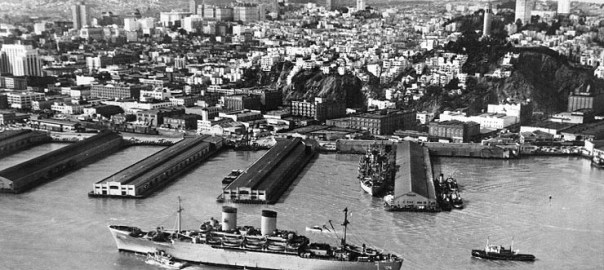
Janell Landis: I attended a meeting in Toledo, Ohio and I met the man who was our director of work in Japan–in the Orient actually, China too, at the time. He gave a very passionate presentation and I was deeply moved and thought well, they had a short-term program where you could be there for three years, in Japan, as a teacher. So, I volunteered and appeared before the board committee and they accepted me. So in March of 1953, I was on my way to Japan by ship from San Francisco to Yokohama. It was neat.

*******************************

It was a 14 day trip on the ship. But when I got there I was able to start the school in April. Japan[‘s school year] is April through ‘til March. And I went right into the job teaching English as a second language to junior high kids, senior high kids, and college girls. And um, I didn’t have a good textbook, I didn’t have a good experience but, I had a love and a lot of love around me so that in six months I decided I’d like to be career. And the mission board permitted me to do that. And in the next year of ‘54 to ‘56 I was down in Tokyo learning the language in a school for people–for Americans and foreigners–learning Japanese.

Janell004
Pat Landis, Ruth Alice Steele, and Janell circa 1950.

Malina:[20:25] Did your family have a strong reaction to your decision to go to Japan?

Janell: My mother was always in favor. It was only after all of those years there, and uh, my father was recovering from illness and I was recovering from, uh, illness. But, I was going to go back to Japan–oh, I think I had some kind of injury and anyway–he was sitting at the table with me and he said ‘I appreciate so much what you are doing,’ and so on. But, I never felt that in the beginning of my career in Japan. My father always was telling me when I’d come home for furlough, “Well, you can work here,” you know. But Mother never did. She always kept with letters and kept me in touch with things at home. So, I never felt any regret and uh, any open hesitation to be accepted.  My father, I think, had trouble with it, but he liked his family around him.

Malina: [21:50] Was it already decided where in Japan you would go? Or, why was Sendai chosen?

Janell:  Well, that was a historical thing. At that time in Japan, before the war, it was typical for a Presbyterian to go to a Presbyterian area. And uh, it was interesting the history of Protestantism in Japan reflected in the fact that the churches were pretty wise. Sendai was a center where the reformed people–the German Reform people–did missionary work. And so when I went there they still were allowing you to go to something that was historically related to what you were back home in America. And I was part of the German Reform Church back there. And so, I went to a school that in 1850 was founded by the reform church missionaries.

A man from Harrisburg went out there into Sendai, started a boys school with a Japanese Christian and then they found out that just in producing pastors they needed wives for them so they started a girls school in the fall. And he got two young women from Harrisburg area. So that I went there to that school because of my E&R* connection. But, I was in an interim…in the years when Japan um, sending missionaries–you didn’t send them to the school that was connected to your history–your church back home. So, later there were Methodists and other people coming and teaching at the school, but I was fortunate to get into Miyagi just when they were allowing us who were historically connected to that founding.

*Evangelical and Reformed Church

[21:19] But, um, it was a wonderful place and Sendai was a of city about three hundred thousand. But, it was a city that when I’d go downtown, I could meet people that I knew. And then, a lot of the stores there, they sent their daughters to Miyagi to be educated. So I’d walk into a store and they, [high pitched] “Oooooh, that’s, ah, Musame’s teacher!” And then, Musame’s teacher sometimes got discounts too [laughs].  But it was a wonderful place and now it’s a city of a million. And I went back there in 2006 and I’m glad I’m not there now.

044

Malina [25:10]: How old were you when you arrived?

Janell: In Japan? I was twenty-seven. And I remember having my twenty-eighth birthday on the 28th of August in a Buddhist cemetery having a picnic [laughs]. When you’re born on the first day you can’t ever celebrate [laughs] one year on the first of something, but I had this 28th day of August in Japan.

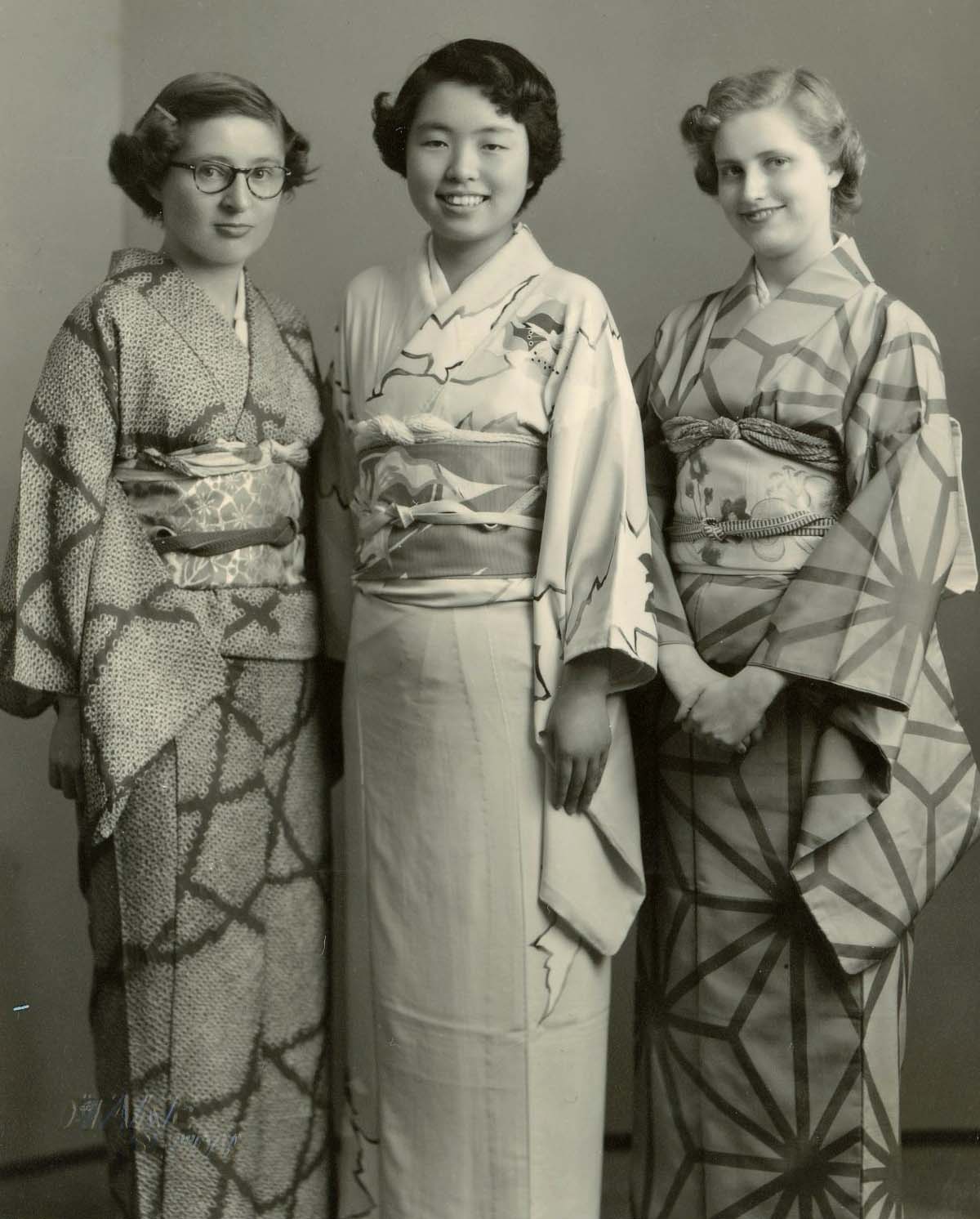
Photograph of San Francisco, California via Wikimedia Commons. Photograph of Janell and friends circa 1950 and young Janell in traditional Japanese clothing via Janell Landis.

ジャネル宣教師になる

アメリカでの仕事に満足できず、ジャネルは日本で短期間  宣教師として活動することを決めた。宣教師になることを決断したときの話、日本への渡航の話、そして日本の仙台に降り立ってからのジャネルの体験に耳を傾けてほしい。

テーマを明確にするためオリジナルのインタビューを少し編集したクリップとなります。このクリップを文字に起こしたファイルはこのページの下にあります。ジャネルのインタビュー全文はこちらにあります [ 準備中  ]。

===========================================

マリナ: どうして日本に行こうと決めたのですか。

ジャネル: オハイオ州 トレドで集会に参加したら日本での活動の責任者がいたの―、実際には東洋圏全体のだったかしら、当時は中国もだったから。彼はとても熱心なプレゼンテーションをしてくれて私は本当に心動かされた、それで考えたの、短期で3年間、日本に先生として滞在できるプログラムがあったなって。だから、自分から志願して役員会へ申し出たら私を承認してくれたのよ。そして1953年の3月、私はサンフランシスコから横浜へ行く船で日本に向かっていたの。楽しい旅だったわ。

*******************************

14日間の船旅だった。でも到着したら私は4月から学校で仕事を始めることができた。日本で、学校は4月始まりで3月終わりなの。それからすぐに第二言語の英語を、中学生、高校生、大学生の女学生たちに教える仕事を始めたわ。そして、そうね、いい教材がなかったし、経験も全然なかったけれど私は愛情をもって仕事をしたし周りもそうだったから、始めて6ヶ月でこれを自分の仕事にしようと決めたわ。宣教師派遣委員会もそれを認めてくれた。そして次の年の1954年から1956年まで私は東京にいてアメリカ人や他の外国人向けの学校で日本語を習っていたのよ。

Pat Landis, Ruth Alice Steele, and Janell circa 1950.

マリナ: 日本に行くことについてご家族から強い反対はありましたか。

ジャネル: 母はいつでも私を応援してくれた。しばらく日本で生活した後、それで、そうね、父は病気を患って回復していたところで、私も回復していたところだったの、病気から。でも、日本に戻ろうと思った。あぁ、私は病気じゃなく怪我か何かしたんだったわ、とにかく父は私とテーブルに着いているときに言ったの『お前は素晴らしいことをしているよ』とか色々。でも、日本で仕事を始めた頃にはそんな風に思ってくれてるとは思わなかった。私が休暇で帰国すると父はいつも『でも、こっちでも働けるだろう』って言っていたのよ。でも母は一度もそういうことは言わなかった。母はいつも手紙で絶えず故郷とのつながりを作ってくれたし。だから、一度も後悔しなかったわね、それに、率直な意見は受け入れるわ。父は気に入らなかったみたい、家族と一緒にいたいと思う人だったから。

マリナ: 日本のどこに派遣されるのかはすでに決められていたんですか?なぜ仙台が選ばれたんでしょうか。

ジャネル: そうね、歴史的な理由があったの。当時の日本は、戦争の前ね、長老派教会の人が長老派教会の地域に行くのが典型だったわ。それと、日本のプロテスタント主義の歴史は教会がかなり賢かったという事実を示していることが興味深いわね。仙台は改革派の人たち、つまりドイツ改革派の人たちの、布教活動の中心地だった。私が仙台に行ったときには、故郷のアメリカで以前自分と繋がりのあった場所に行くことをまだ認めていたの。アメリカで私はドイツ改革派教会の出だったから。それで私は改革派教会の宣教師たちが1850年に創設した学校へ行くことになったのよ。

ハリスバーグ出身の男性が仙台に来て、日本人のキリスト教信者と男子校を設立して、それから牧師を輩出するには、未来の妻が必要があることに気づいて、その年の秋に女子高も始めたの。彼はハリスバーグ地域から二人の若い女性を連れてきた。私は福音改革派※との繋がりがあったことでそこの学校へ行くことになった。でも、それは一時的で・・・その日本での何年かは、えっと、宣教師の派遣はね・・・故郷の教会や、自分の経歴に関連のある学校へ宣教師を派遣することはしていなかった。だから、後にメソジスト教会信者やほかの教会の人たちが来てうちの学校で教え始めたけど、運のいいことに私たち他の教会の者でも学校の創設に歴史的なつながりのある者なら受け入れるというときに私は宮城に来ることができたの。

※E&R: Evangelical and Reformed Church

でも、うん、それは素晴らしところでね、仙台は人口30万ほどの都市だった。でも、繁華街に行けば、知り合いに会うことのできるようなそんな都市でね。それに、たくさんお店があって、そこの人たちは教育を受けさせるために自分の娘を宮城に行かせてた。だから私が入ると店の人が『おぉー!うちの娘の先生だ!』って。『娘の先生』は時々おまけしてもらえたりするのよ。ふふふ。でも本当に素敵なところだったけど、今では100万もの人がいる都市になったわ。そして私は2006年にあの場所に戻ったけど今住んでいなくて良かったと思う。

マリナ: 着いたときにはおいくつでしたか。

ジャネル: 日本に?私は27歳だったわ。8月28日に28歳の誕生日をお寺の墓地でピクニックしてお祝いしたのを覚えているわ。あははは。。 1日に生まれていたらできないお祝いよ、あはは、1日だったら1歳でやらないとだもの、でもこの28歳の8月28日を日本で迎えたのよ。

Photograph of San Francisco, California via Wikimedia Commons. Photograph of Janell and friends circa 1950 and young Janell in traditional Japanese clothing via Janell Landis.